
Cricket, once considered a sport with global appeal and potential for growth, is currently experiencing a decline in its international standards. Despite the popularity of the Twenty20 format and the increasing profitability of the sport, there are various factors contributing to this decline. This report aims to provide a comprehensive analysis of these factors and support them with real-world case studies from the cricketing world.
- Batting Techniques and Pitches:
The changing nature of batting techniques across formats and cricket pitches has had a significant impact on the game’s standards. The rise of limited-overs cricket, particularly the Twenty20 format, has encouraged more aggressive batting approaches focused on power-hitting rather than traditional shot selection and defensive play. Additionally, pitches favoring batsmen and providing less assistance to bowlers have tilted the balance in favor of the batting side, potentially leading to a decline in bowling standards.
Case Study: The Impact of Flat Pitches on Bowling Standards
The ICC World Test Championship (WTC) Final, held in June 2021 between India and New Zealand at the Ageas Bowl in Southampton, England, provides a recent case study illustrating the impact of flat pitches on bowling standards.
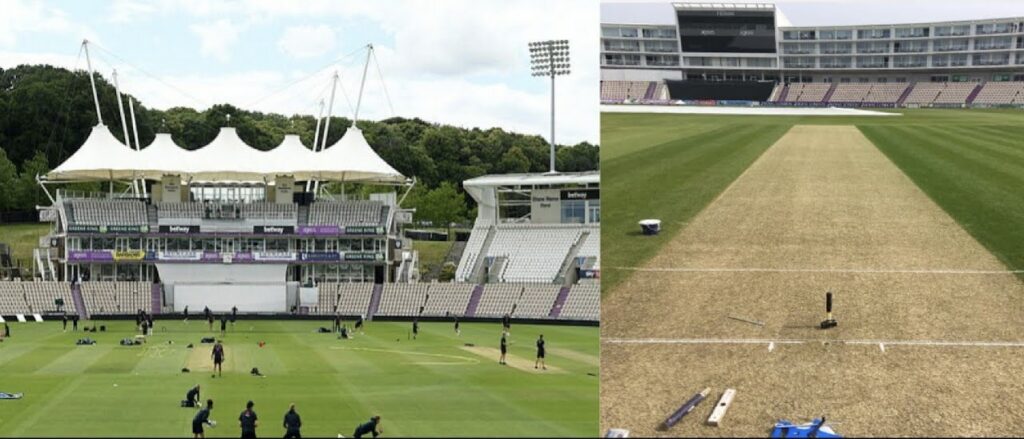
The match took place on a surface that was initially expected to offer assistance to both batsmen and bowlers. However, as the game progressed, it became evident that the pitch was significantly slower and flatter than anticipated. This led to a heavily one-sided contest, with the batting side enjoying a considerable advantage.
Throughout the match, batsmen from both teams found it relatively easy to score runs due to the lack of significant movement or deviation off the pitch. The bowlers, on the other hand, struggled to extract any meaningful assistance, resulting in reduced competitiveness and limited wicket-taking opportunities.
The match witnessed a series of substantial partnerships and high-scoring innings, with the game eventually culminating in a resounding victory for New Zealand. The flat pitch and the subsequent dominance of the bat hindered the bowlers’ ability to impose themselves and created an imbalanced contest.
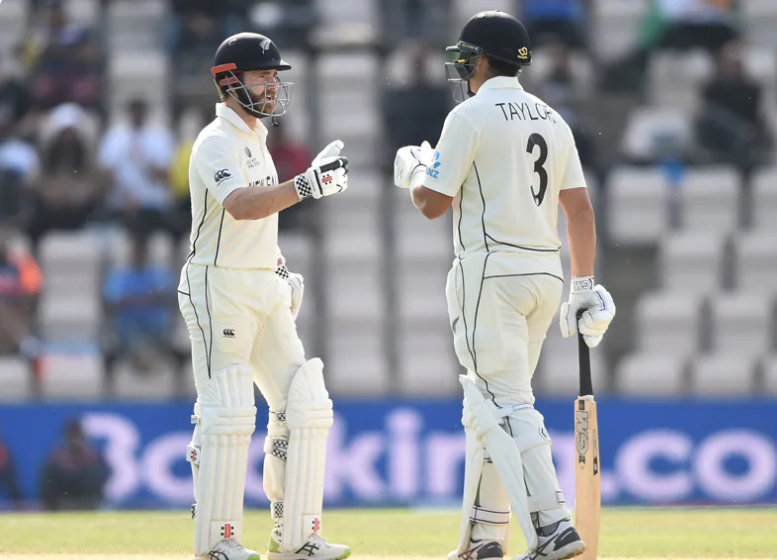
This case study highlights the detrimental effect of flat pitches on bowling standards, particularly in Test cricket. When pitches lack the necessary characteristics to challenge the batsmen and reward the bowlers, it compromises the balance between bat and ball, diminishing the quality of the game.
It is crucial for groundsmen and cricketing authorities to prioritize the preparation of pitches that provide a fair contest between batsmen and bowlers. By ensuring pitches offer reasonable assistance to bowlers, such as bounce, seam movement, or spin, matches can maintain their competitive nature and uphold the high standards of Test cricket.
2. Funding Inequality has Drained Funds for Lowel Level Team
Case Study: Kenya Cricket Team
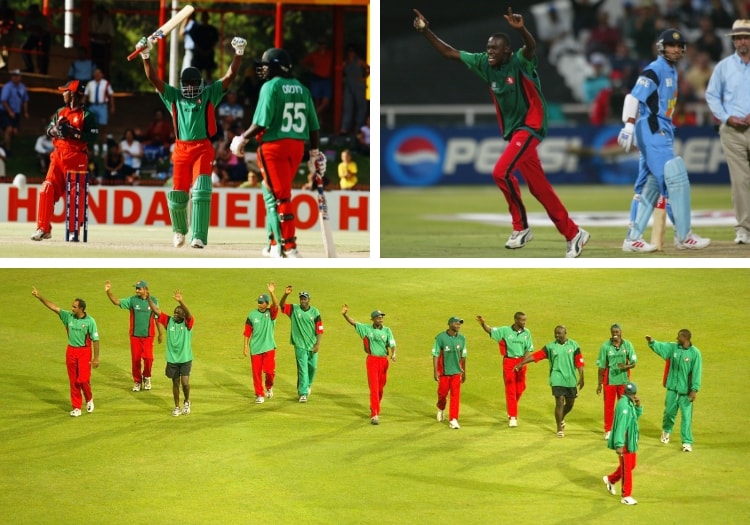
In 2003, Kenya faced India in the World Cup semifinals in front of a large crowd at South Africa’s Kingsmead Ground. That was only 17 years ago. Today, the activity is practically extinct in the nation. How can a team that was only one match away from the World Cup final find itself in this predicament so quickly?
Former players claim that things became chaotic after 2003. Kenya made the decision to completely support the national team in the absence of a sustained domestic league or an organized grassroots movement. Pursuing “Full Member” status within the ICC was the objective. For other teams, there was still little financial incentive to play in Kenya, and for Kenya to tour in other markets, it was an expensive outlay on an associate budget. Kenya’s international rivals completely abandoned the team over the following three years, during which time they played just eleven games. The absence of cricket in the nation was all but eliminated by this barren calendar and internal strife.
Why is the ICC the only sports governing body with this organizational structure? The stated approach emphasizes development, but the real solution seems to have much more to do with how money is allocated. The revised ICC financing schedule, which was approved in 2017, is shown below.
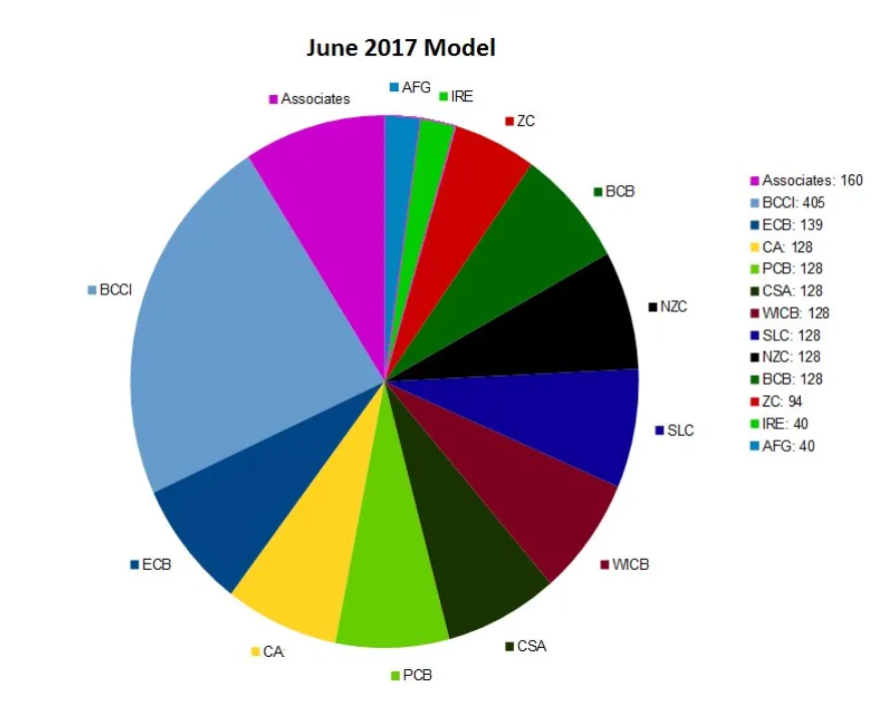
Here is a breakdown as of 2017:
India: 405,000,000 USD
England: USD 139 million
Bangladesh, West Indies, Pakistan, South Africa, Australia, and the Caribbean: 128 million USD
Zimbabwe: USD 94 million
Afghanistan: $40,000,000 USD
Ireland: USD 40 million
Splitting up by 97 Associates: 160 million USD
Yes, it is true that India receives over three times as much funding annually as the other 97 nations combined. The expected total operational income for India is 2.5 billion USD after accounting for sponsors, domestic league cash flow (IPL), ticket and jersey sales, and tv rights.
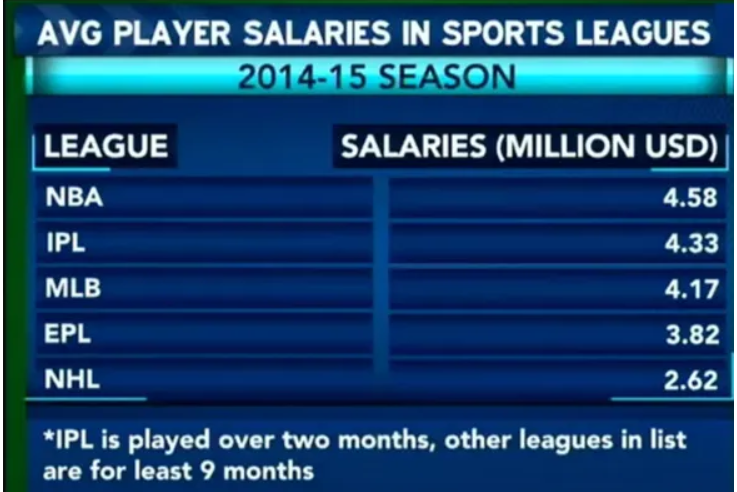
In contrast, the Irish Cricket Board reported a net operating loss of $500,000 in 2018. The Euro 2019 T20 Slam, a projected Twenty20 league with six teams from Scotland, Ireland, and the Netherlands, has been put on hold indefinitely due to funding issues. This happened only a few weeks after player walkouts over unpaid match costs nearly bankrupted the Canadian Twenty20 competition. Some of these difficulties might be attributed to internal management failures, but it is obvious that the existing financial burden on the most defenseless countries is unsustainable.
3. Player Workload and Fatigue
The demanding cricket calendar, particularly for top-level players participating in multiple formats and leagues, has resulted in player fatigue and burnout. Continuous cricketing commitments and inadequate rest periods can adversely affect players’ physical and mental well-being, leading to a decline in their performance and, consequently, the overall standards of the game.
Case Study: Workload Management and Player Performance in the Indian Premier League (IPL) 2023
The Indian Premier League (IPL) is one of the most prestigious T20 cricket leagues in the world. In recent years, concerns have been raised about the impact of the IPL’s demanding schedule on player workload and subsequent performance in international cricket.
In the 2023 edition of the IPL, several players who participated in the tournament went on to represent their respective national teams in international matches shortly afterward. This provided an opportunity to analyze the effect of the IPL workload on player performance at the highest level.
One notable example is the Indian cricket team’s fast bowler, Jasprit Bumrah. Bumrah played a significant role in Mumbai Indians’ campaign in the IPL, taking on the responsibility of spearheading their bowling attack. However, the demanding schedule of the tournament meant that Bumrah had little time for rest and recovery before joining the Indian team for international matches.
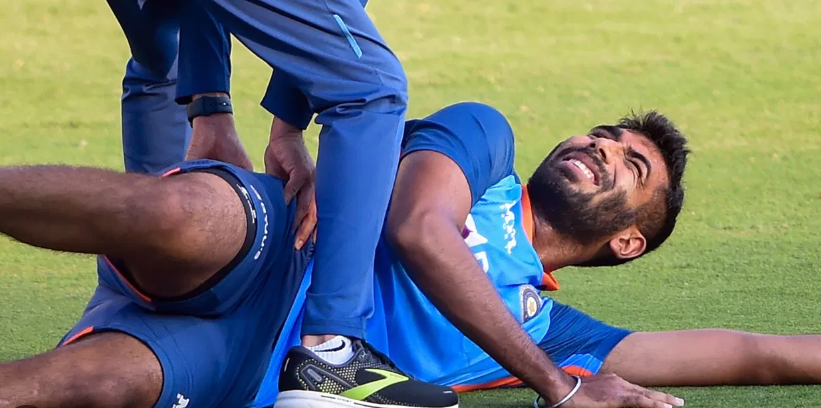
During the subsequent Test series against England, Bumrah’s performance seemed to be affected. He appeared fatigued and struggled to replicate his usual high standards of bowling. His pace and accuracy were slightly diminished, and he failed to consistently trouble the English batsmen as he had done in the past.
This case study highlights the challenges faced by players in managing their workload and the potential impact on their performance in international cricket. The intense schedule of the IPL, with matches played in quick succession, can result in limited recovery time for players. This can lead to physical and mental fatigue, affecting their ability to perform at their best in subsequent international fixtures.
To mitigate the impact of workload on player performance, it becomes essential for cricketing authorities, national boards, and franchise teams to collaborate and develop effective workload management strategies. This can involve measures such as providing adequate rest periods, carefully managing player participation in various leagues, and monitoring workloads through data-driven analysis.
By implementing proactive workload management protocols, cricket can strike a balance between player participation in lucrative leagues like the IPL and ensuring that players remain fresh and at their peak when representing their national teams. This will contribute to maintaining high standards of performance in international cricket and safeguarding the well-being of the players.
Conclusion
The decline in international cricket standards can be attributed to a combination of factors, including important changes in batting techniques and pitches, player workload and fatigue, and the budgeting for international teams, supported by real-world case studies, provide insights into the challenges faced by the sport and suggest potential areas for improvement. By addressing these issues and implementing strategic measures, cricket can strive to regain its status as a globally captivating sport with consistently high standards.